Damp Solutions
Damp, diagnosed before it is treated.
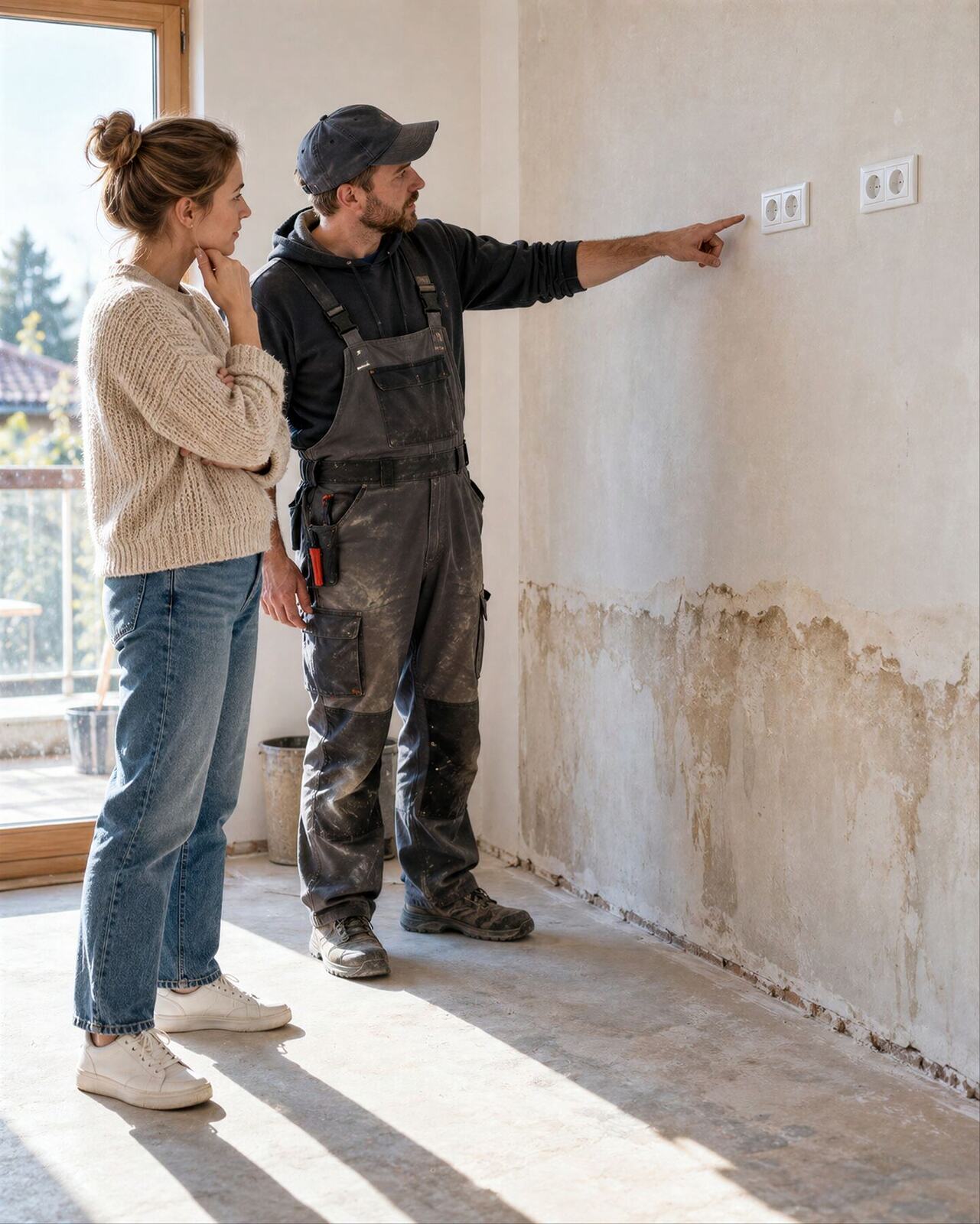
Damp is rarely one problem. Peeling paint, tide marks and a musty smell can come from rising groundwater, rain getting in, or everyday moisture with nowhere to go. We work out which before recommending anything, so you only pay for work that addresses the real cause.
Recognise it
Signs to look out for
If several of these sound familiar, it's worth having the cause properly assessed.
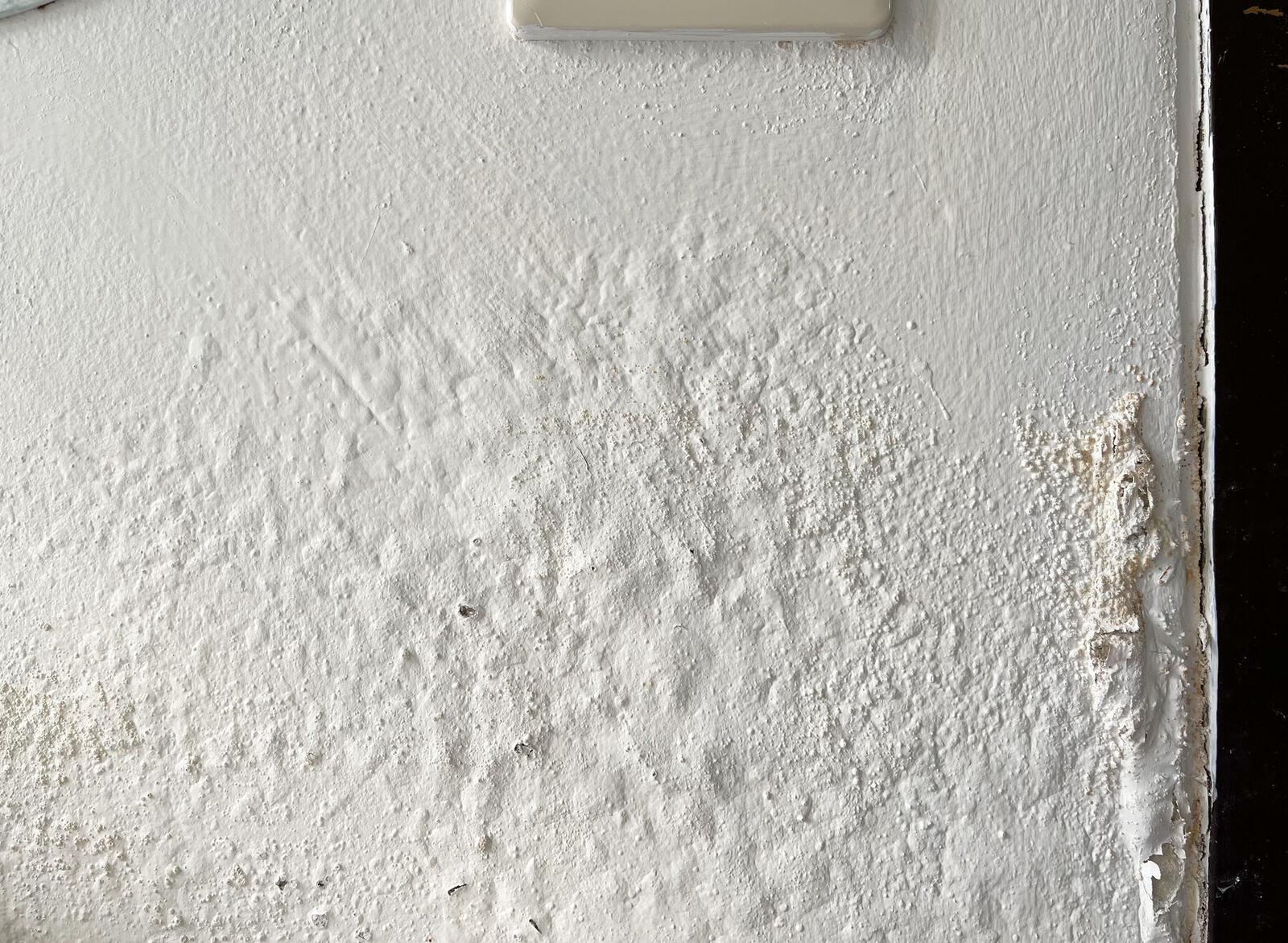
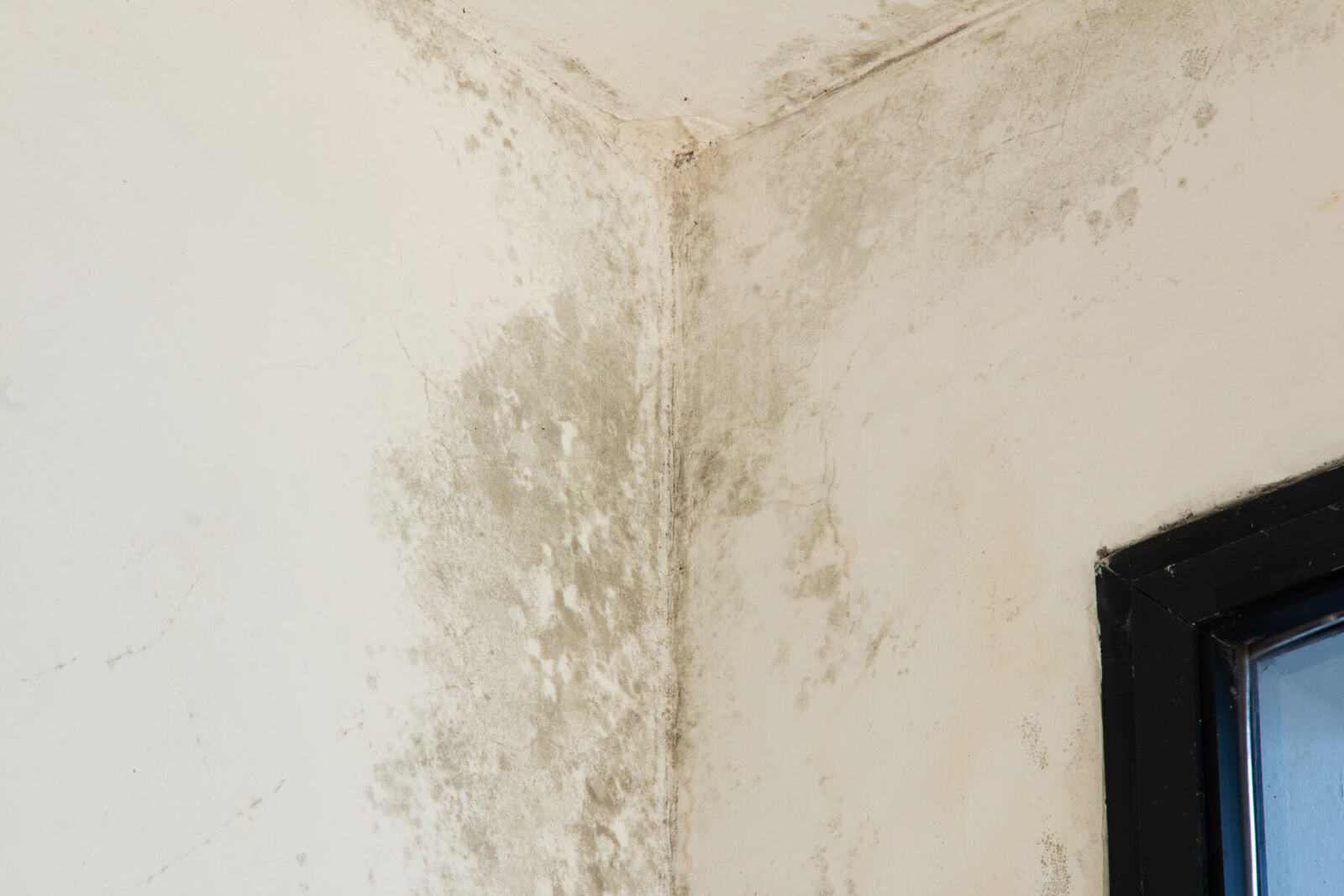
- Tide marks or staining low on walls, often up to around a metre
- Blistering or flaking paint and crumbling plaster
- Salts appearing as white, powdery deposits
- A persistent musty smell that returns after cleaning
- Damp patches that grow after heavy rain
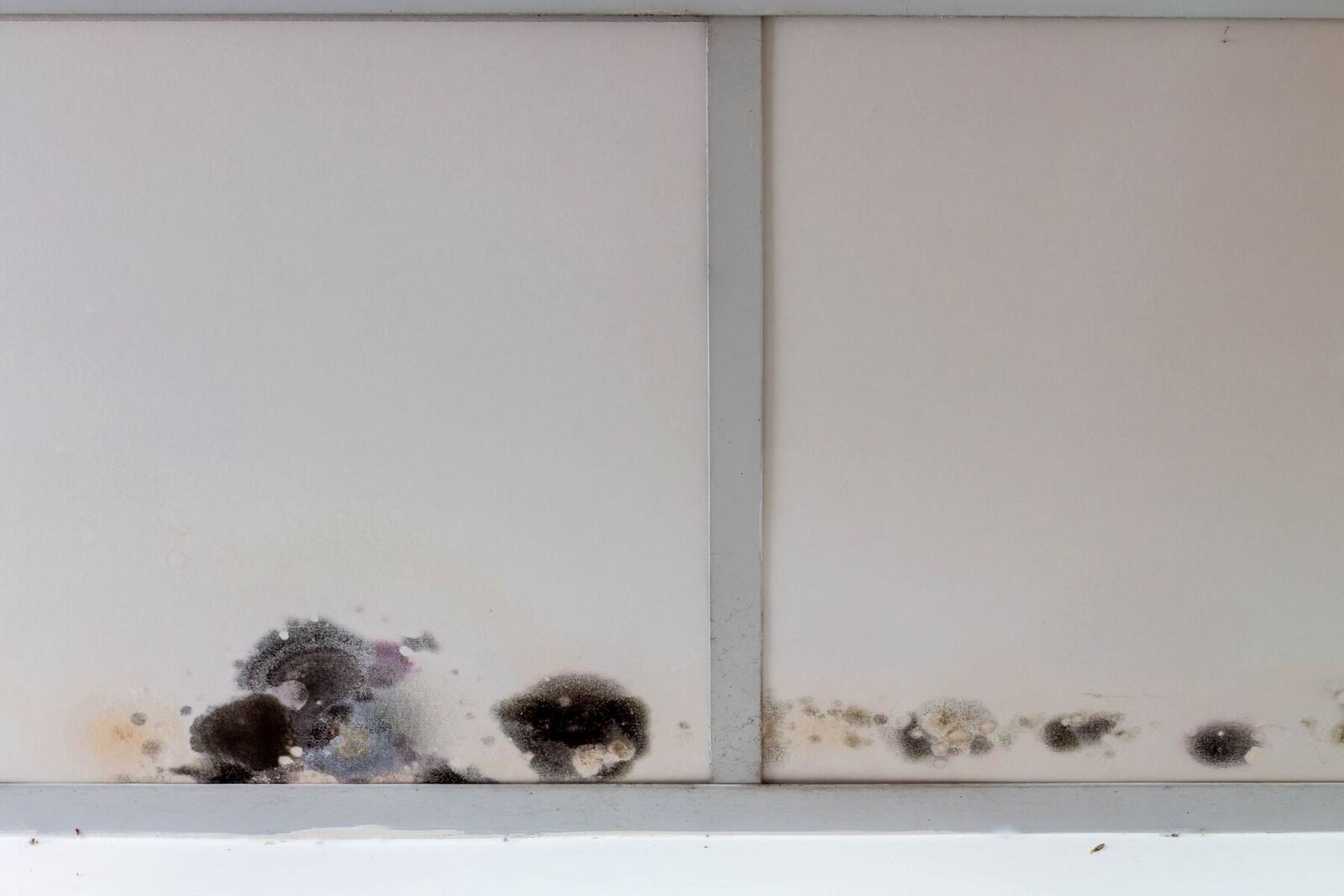
- Condensation streaming down windows each morning
Understand it
What usually causes it
Rising damp
Ground moisture drawn up through masonry where a damp-proof course is missing, bridged or failing. Less common than often claimed, which is why careful diagnosis matters.
Penetrating damp
Water entering from outside through defective pointing, gutters, render, roofs or window seals. Typically worse after rain and found at any height.
Condensation
Warm, moist indoor air meeting cold surfaces. The most common form of damp in UK homes, and usually solved with ventilation and heating balance rather than chemicals.
Our process
How we approach damp solutions
Stage 1
Survey and moisture mapping
Readings taken across affected walls, with the building's construction, ground levels and drainage considered together.
Stage 2
Clear written findings
We explain what is causing the damp in plain English and set out options, including what you can do yourself.
Stage 3
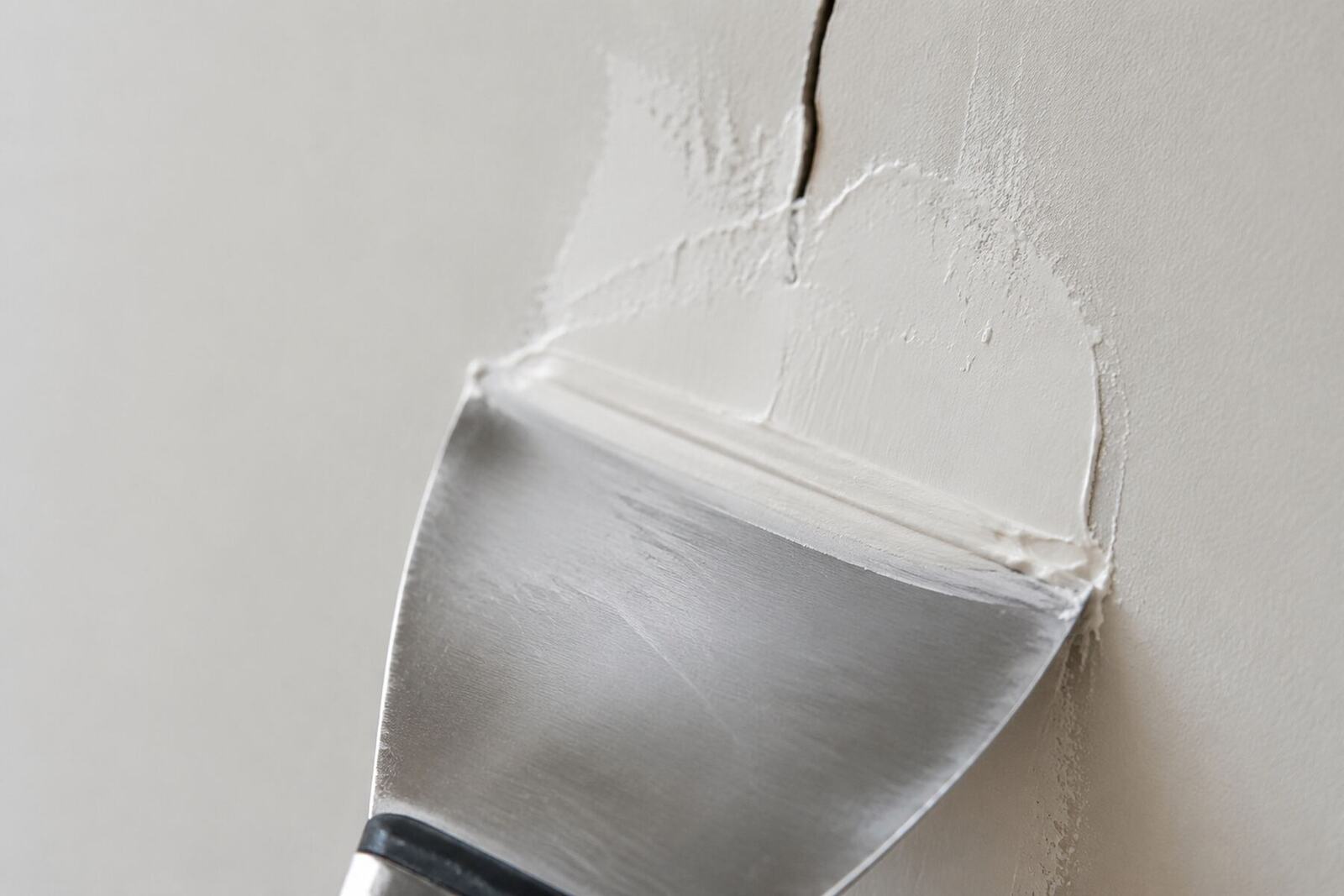
Targeted remedial work
From external repairs and ventilation upgrades to damp-proof course work and replastering with breathable materials where suitable.
Stage 4
Drying and making good
Walls are allowed to dry and are then finished so the room is ready to live in again.
While you wait
Sensible things you can do now. None of these replace a proper assessment.
- Open windows briefly after cooking, bathing and drying clothes
- Keep furniture a few centimetres away from external walls
- Check gutters and downpipes for blockages or leaks
- Photograph affected areas so changes can be tracked
Questions we're often asked
Related services
Start with a conversation